

When I wrote Unusual Places, I started each story with a place, and that isn’t a rule that I always follow, but I do think that a place is like an explosion of different stories, stories about the multitude of people who have passed through this place, or stories about events, things and people that have a deeper connection to it. Going to a place allows you to observe those stories unfolding in real time. Here are 7 tips on writing place.
The feeling of the new. Picture this: you go to a new city or visit a seaside town you haven’t been to before or go away somewhere remote. Focus on the newness of the experience. What sensations do you get in your body? What thoughts are going through your head? Now imagine that you get some time on your own, away from your friends or from whatever it is you’re doing. You get some time to stare at the sea from a balcony, look out of the window of a skyscraper, or take in the view from your cottage. How do you feel? The places you inhabit influence how you are in the world. It’s easy to become enmeshed in familiar places, to the point that we don’t realise how bound up we are until we go somewhere new. Short story writing tip: Have one of your characters go somewhere new or experience something for the first time and be specific about the location. Use your senses.
A trysting place. The term ‘trysting place’ means ‘meeting place’ but it also suggests that the place is special and there’s a commitment involved. As a writer, a trysting place can be somewhere you meet with, connect to and commit to yourself. Short story writing tip: Find a trysting place. That is, somewhere special to you. It could be a café or a favourite walking spot (it doesn’t have to be extraordinary) and you commit to turning up in it. Use it to notice detail. The pattern on a leaf. The smell of the coffee. The texture of the bark. This might turn into a walk taking in your trysting place, but not necessarily.
Mulling is writing. Mull over a place in advance, without forcing yourself to come up with ideas, and your brain gets a chance to work away at the story so that it won’t be completely new territory when you sit down to write. You also get a chance to notice things. Mulling could be walking, having a bath, sitting in the garden, eating an ice cream on the beach, swimming or a five-minute pause on a bench. Mulling is about giving yourself some space, looking after yourself and noticing your concerns, your dreams and your ideas. You might find a story or object that makes you curious or a character who won’t leave you alone. Short story writing tip: Build some mulling time into your day.
Go a different way. Take yourself out of your usual surroundings and you (literally and figuratively) see the world differently. Go a different route. Sit in a different chair. Move around. Dance. Sing. Plant something. (Unless you’re a professional dancer, singer or gardener, in which case, find something new.) You gain perspective. The matrix slips for a fraction of a second. Short story writing tip: do something different, anything that causes the matrix to slip for a moment. Write during or immediately afterwards.
Why is place important in short stories? We’re intrinsically bound up with the worlds we inhabit and so are fictional characters. Your readers will experience characters as inauthentic if you write them any other way. As I said in the introduction, place is like an explosion of different stories. Remember that a moment in time is also a moment in place. Short story writing tip: experience an explosion of stories. Take one moment in one place and jot down several (not all as that’s probably impossible) stories that could emanate from it. This will probably start with the provenance of an object or with a person.
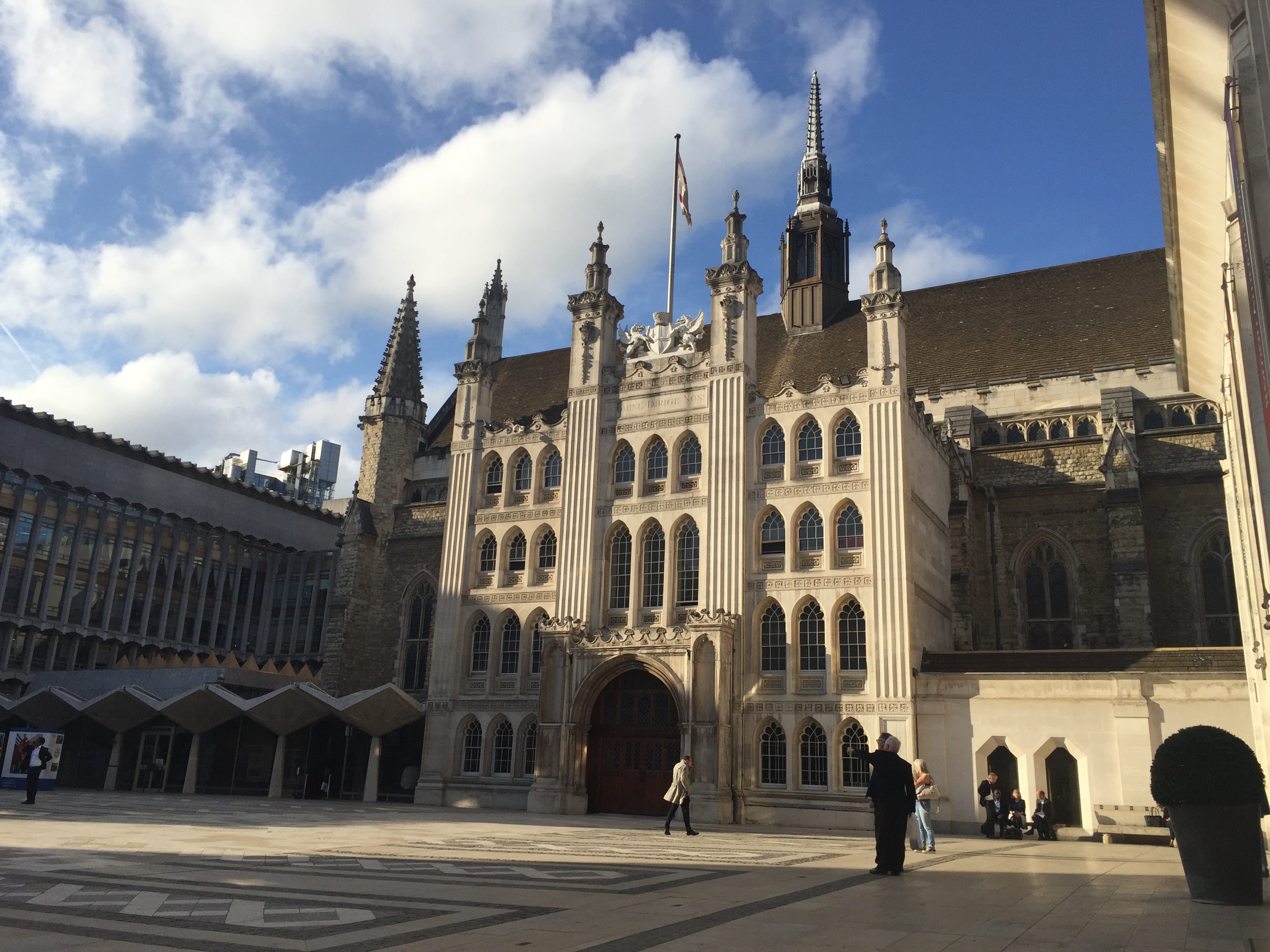
Direct observation from life. Writers can be like artists by painting a picture (writing a picture) en plein air. Take yourself off somewhere interesting and record what you see. It’s as simple as that. But you have to be prepared to stay where you are. Short story writing tip: If you want to, make up a story that is site specific, fit for the place in which you’re writing, or set the story in the place or simply be inspired by your surroundings. I once sat near London’s Guildhall, for instance, and wrote a story about someone lost, looking for the Roman Amphitheatre. (There were no signs up in those days.)
Still life. We can also be like painters by noticing the detail, like we’re painting a still life, although it isn’t ever still. Notice the small things, the subtleties that other people don’t notice. You do that by bothering to stop, to take time out and observe. Develop writer’s eyes, notice the colours, textures, smells, sounds, and tastes too. If you don’t have the use of one or more of your senses, write about that or focus on the others. Short story writing tip: Go somewhere and notice the details. Capture the atmosphere of a place so that you can conjure it up later. Use the senses, and the specific detail that readers/characters would only see if they were there, and if you can visualise the place as you read what you write in the second or third draft, chances are they will be able to when they read it for themselves. Try it out on someone by reading it out loud to a friend (or a stranger?) and ask them what they see.
Summing up
Here’s a summary of all 7 tips:
Use the feeling of the new
Find a trysting place
Remember mulling is writing
Go a different way
Consider why is place important your story
Use direct observation from life
Think still life
More soon. Until then, happy writing,
Lou
P.S. The first article in this series is here: Rules for Writing Short Stories and the third article in this series is here: How to write short stories part 3.
this was very helpful!! the importance of place cannot be understated ✨
Thank you! Thank you! I’m looking for guides for righting better setting.